
Sativa buds are airy, long, and take longer to mature, while indica buds are dense, fast-flowering, and compact, ideal for indoor setups. This grower’s guide breaks down yield, bud formation, environmental needs, and market appeal to help you pick the right plant type.
Let’s get into it.
Which One Should You Grow?

Sativa and indica are foundational terms in cannabis cultivation, originally used to describe the physical characteristics of the plant. Sativa refers to tall plants with narrow leaves and extended flowering cycles. Indica refers to short, stocky plants with broad leaves and faster flowering timelines.
Today, most strains are genetic blends, but these categories still help guide cultivation strategies.
What matters most is how each plant grows. Sativa varieties tend to stretch vertically, requiring more space and a longer flowering period. Indica varieties stay compact and bushy, with shorter internodes and a faster path to harvest. These traits influence everything from canopy control to nutrient uptake and trimming workload.
Origin
Sativa plants trace their roots to tropical regions like Thailand, Colombia, and Ethiopia. These climates offer long days, consistent warmth, and stable seasons. In response, sativa adapted by developing taller structures and slower-maturing buds that could thrive in prolonged sunlight.
Indica plants come from mountainous regions such as Afghanistan and the Hindu Kush. In colder, windier environments with shorter growing seasons, these plants evolved to be more compact and robust. Their faster development cycle and dense bud structure were survival traits.
Here is a look into the two:
Visual & Structural Differences in Bud Formation
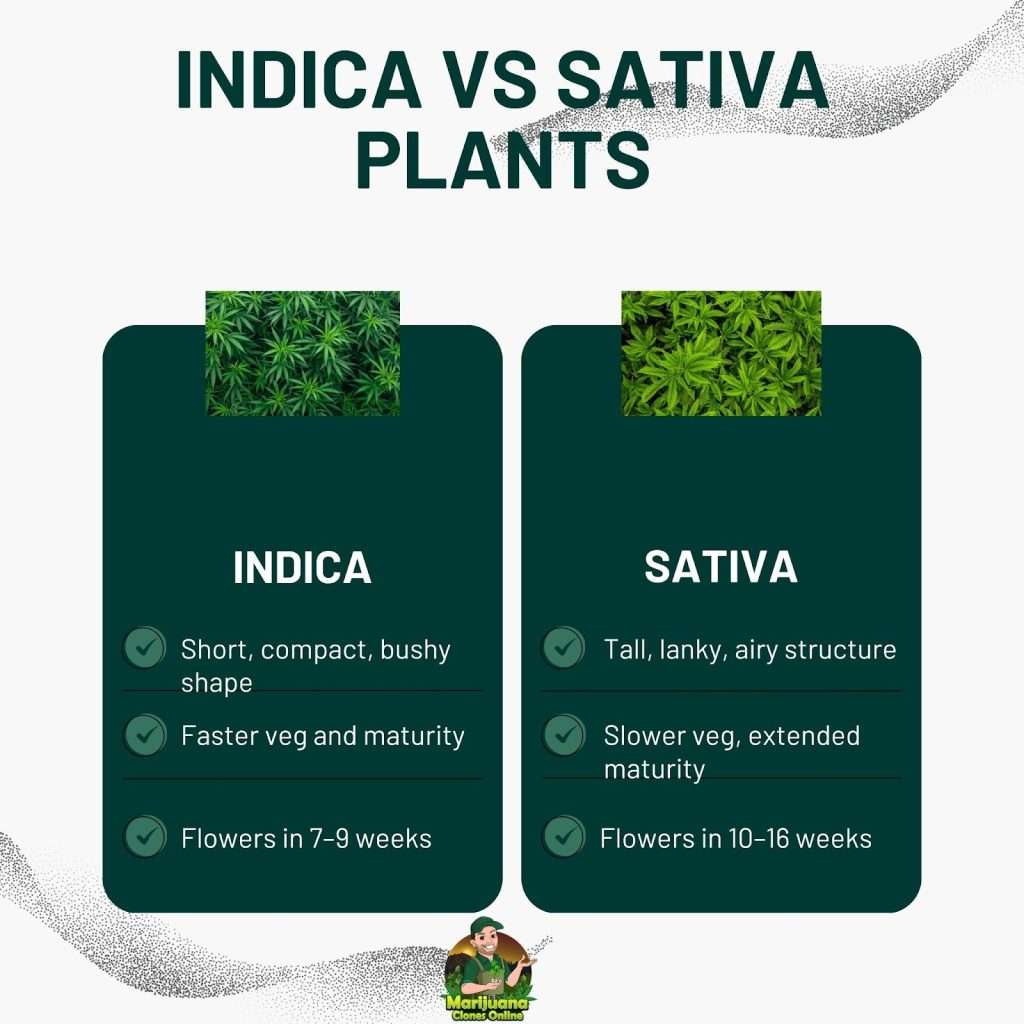
Indica buds develop close to the stem, forming dense clusters with tight calyxes and heavy resin. They often look round, thick, and uniform. This is ideal for anyone focused on bag appeal or weight per square foot. Sativa buds form along longer internodes, appearing airy and elongated. They tend to stretch with foxtail shapes that can stack high but may seem less dense at first glance.
The visual impact of sativa often catches attention with vibrant colors and height, while indica appeals through its heavy, sticky, trichome-rich density. This difference matters when deciding how to fill a canopy and what the final product will look like on shelves.
Bud Density & Resin
Indica buds are known for packing resin into tight formations. This gives them a glossy, crystal-coated look and a strong scent profile: traits that stand out in retail jars. These traits also make them easier to weigh out for consistent eighths or quarters, a benefit for anyone scaling production.
Sativa buds, while less dense, often carry complex terpene expressions and high THC potential. Strains like Super Lemon Haze or Sour Diesel offer uplifting highs with rich aromas, even if they don’t feel as heavy in the hand. Their appeal lies in flavor, effect, and visual variety.
Flowering Time and Harvest Scheduling
Indica plants are known for rapid flowering, often finishing in as little as six to eight weeks. This makes them suitable for fast cycles or climates with early autumn shifts. Their predictable timeline allows for steady scheduling and back-to-back harvests.
Sativa plants generally take ten to fourteen weeks to flower, especially under full-spectrum light. This longer window allows for massive vertical growth and intricate bud development. However, it also means more time spent on training, feeding, and environmental control.
Planning around these timelines helps prevent stress near the end of a cycle. One type offers efficiency. The other delivers scale.
Indoor vs Outdoor Performance
Indica varieties thrive indoors, especially in controlled spaces with low ceilings. Their shorter structure, compact footprint, and fast turnaround make them ideal for maximizing yield in limited square footage. Indoor tents or vertical racks benefit from this natural growth pattern.
Sativa plants respond well outdoors, particularly in dry, warm regions. Their resistance to mold, thanks to looser bud structure, makes them a safer bet in high humidity. Tall, vigorous sativa plants like Lemon Tart reach impressive heights when given room to stretch, often outperforming expectations in open-air conditions.
The key is matching the plant to the space, not forcing it to fit.
Yield, Weight, and Marketability
Indica strains usually deliver solid yields in shorter cycles. The weight comes from bud density and uniform stacking. This makes them popular for repeat cycles focused on volume and consistency. Their shape is easier to trim, package, and standardize, important when every ounce counts.
Sativa strains offer greater potential yield over time. With space and patience, they produce long colas that fill out slowly but generously. For those targeting niche markets or terpene-rich flower, sativa-dominant varieties often hold premium value. They photograph beautifully and smell unforgettable.
Balanced hybrids like Hella Jelly split the difference, offering quick turnarounds without sacrificing visual flair.
Trimming, Curing, and Labor Time
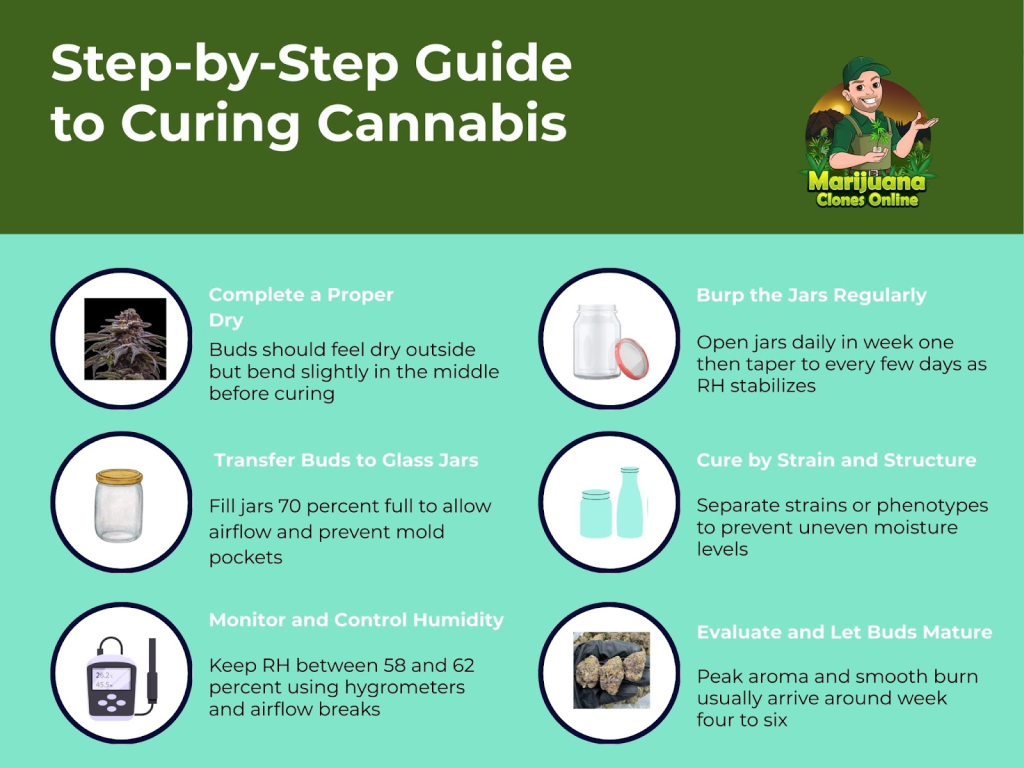
Indica buds are easier to trim due to tighter bud structure and fewer sugar leaves. This cuts down post-harvest labor and makes it easier to scale production. Curing is straightforward, though attention is needed to prevent mold in dense areas if humidity spikes.
Sativa buds require more trimming time because of their elongated, leafier shape. Some cultivators hand-trim these to preserve delicate terpene expressions. Curing takes longer and demands consistency across larger surface areas. The reward is aroma, not ease.
This difference adds up in labor costs and handling time, especially during peak harvest seasons.
Environmental Considerations & Nutrient Needs
Indica plants handle cooler temperatures and lower light levels with less stress. Their compact shape supports strong lateral branching and efficient nutrient uptake. They’re less likely to stretch or spike unexpectedly under light stress, which helps stabilize canopy height.
Sativa strains thrive in light-heavy environments and are more sensitive to spectrum shifts. They need more calcium and magnesium during stretch and may show signs of deficiency if pushed too hard. In return, they offer dynamic growth patterns and explosive top colas with proper feeding.
For locations with variable weather or inconsistent light, choosing the right profile keeps cycles on track.
Hybrid Strains: Can You Get the Best of Both Worlds?
Hybrid genetics now dominate the cannabis market, and for good reason. Breeders have dialed in combinations that offer sativa-like height with indica-like flower time. These strains balance aroma, density, and yield without forcing a tradeoff.
Strains like Permanent Marker and Glitter Bomb come from elite breeder stock, blending strength, structure, and market appeal. Some lean toward indica for structure but bring sativa energy and terpene diversity. Others, like Pineapple Upside Down Cake, lean sativa but finish quicker than expected.
So, Which One Should You Grow?

The choice between sativa and indica buds doesn’t come down to preference. It comes down to what your environment can support and what kind of harvest you want to produce.
If you’re working indoors or under tight timelines, indica-dominant strains bring speed, structure, and weight with fewer variables to manage. They finish faster, take up less space, and offer consistent yields you can count on. They also reduce post-harvest labor, thanks to their dense form and ease of trimming.
If you’re operating outdoors in a warm, dry climate with longer daylight hours, sativa-leaning genetics can deliver jaw-dropping results. They stretch high, stack up resin-coated colas, and carry terpene-rich profiles that stand out at market. With time and room, they reward patience with beauty and scale.
Hybrids now offer a middle ground.
Need consistent, high-yielding clones to match your grow goals?
Check out our exclusive phenohunted strains, including fast-flowering hybrids bred to thrive indoors and out.